
Site Preparation
Follow the Wandsworth Build
“Good site setup lays the groundwork for everything that follows, especially on tight urban plots where space and access need careful coordination.”
— Oliver Steele-Perkins, Chartered Construction Manager
Service Disconnections - A long lead time item you can’t skip
Planning and completing service disconnections is an essential part of any pre-demolition phase, and it often takes far longer than people expect. We began the process months in advance to ensure it wouldn’t delay the wider programme.
We’ve now:
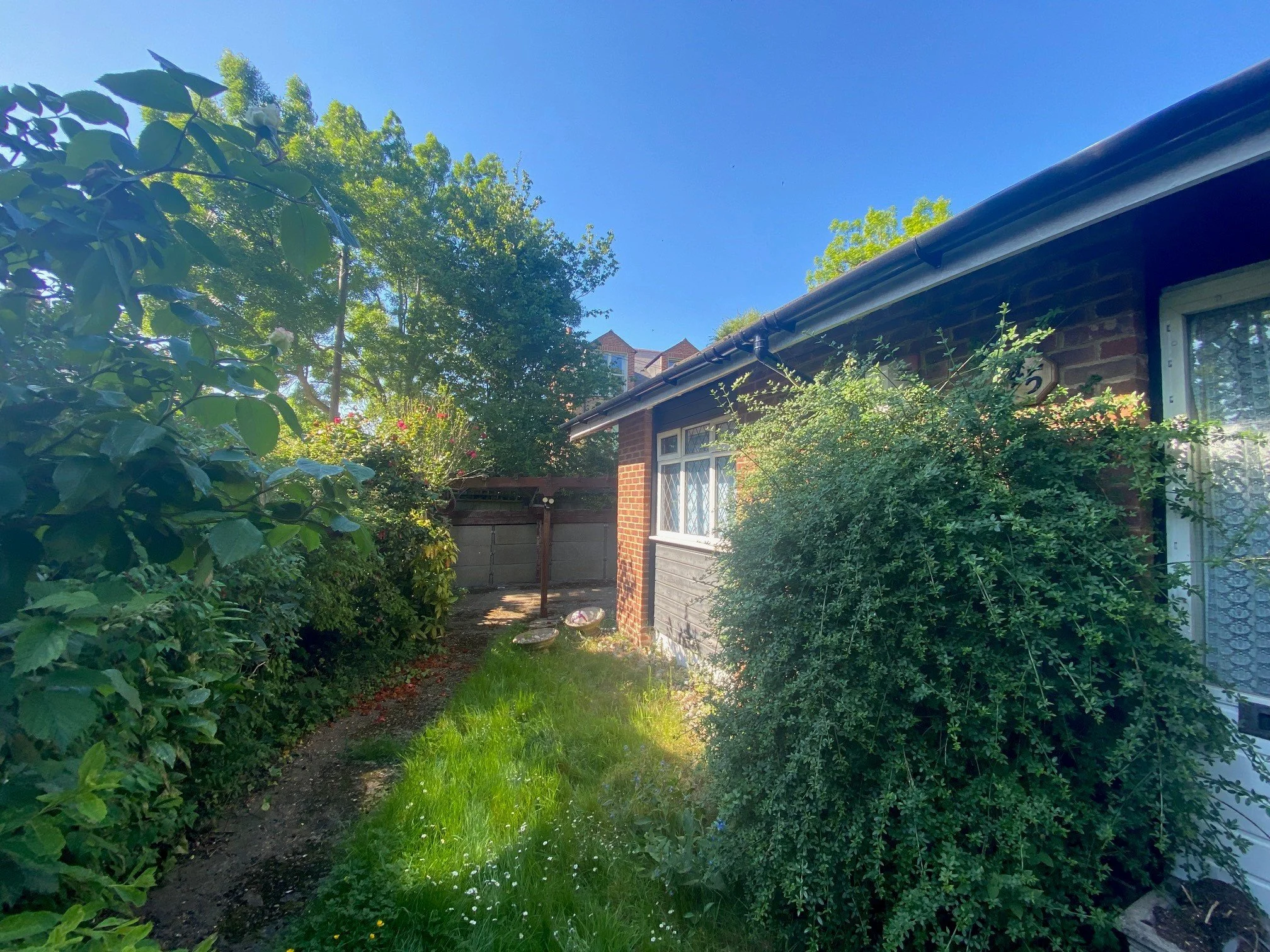
Disconnected the gas and electricity from the existing bungalow
Installed a temporary builder’s power supply
Relocated the water main to maintain a dedicated supply for the project
These steps are not just formalities, demolition contractors need written confirmation of disconnections from the relevant utility companies before they’ll begin work.
Crossover Licence - Planning access for plant and deliveries
A crossover licence is a formal permission from the local authority to create or adapt a vehicle access point across the public pavement or verge. Without it, heavy machinery, skip lorries, and delivery vehicles are not legally permitted to drive over a footpath.
In our case, we’re widening the existing crossover to match the access approved in our planning consent. This is necessary to allow large vehicles and plant to reverse safely into the site — particularly important on a narrow road where parked cars limit manoeuvring space.
The process isn’t quick. After submitting the application:
The council inspects the pavement and prepares a scope of works
Only council-approved contractors can carry out the work
We are then given a quotation and date for completion
Once built, the reinforced crossover allows heavy vehicles to cross the footpath without damaging public infrastructure
Making the application early was crucial to avoid delays, as this often becomes a bottleneck when left too late.
Safety and Compliance - Asbestos survey and removal planning
Asbestos management is a legal and environmental priority when dealing with older buildings. In this case, the existing bungalow was found to contain high-risk asbestos materials that required specialist handling.
To comply with Health and Safety Executive (HSE) regulations, we arranged a full demolition asbestos survey. Unlike a refurbishment survey, which only targets areas being worked on, a demolition survey is comprehensive and covers all areas of the building. This ensures every asbestos-containing material (ACM) is identified and removed before demolition begins.
We appointed a licensed asbestos removal contractor to carry out the works. In line with regulations, formal notification and detailed method statements have been submitted, allowing for the mandatory 10-day notice period. The building will be fully scaffolded, wrapped in monoflex, and enclosed within an air-monitored containment zone to ensure safe removal.
Planning a New Build?
Set the project up properly before work begins
Early site preparation defines how smoothly a project progresses once construction starts. From service disconnections and access planning to compliance and surveys, these early steps require coordination, foresight and careful programme management.
If you’re preparing for demolition or early site works, this is where structured project leadership avoids delays, protects programme and ensures the site is ready for the next stage.
We provide support across pre-construction planning, coordination and delivery to ensure your project starts on solid ground.